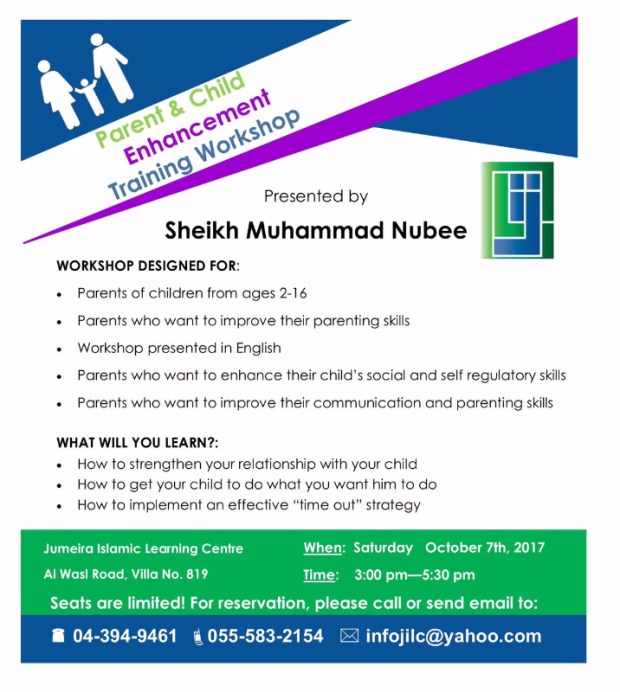
JILC Parent & Child Enhancement Training Workshop


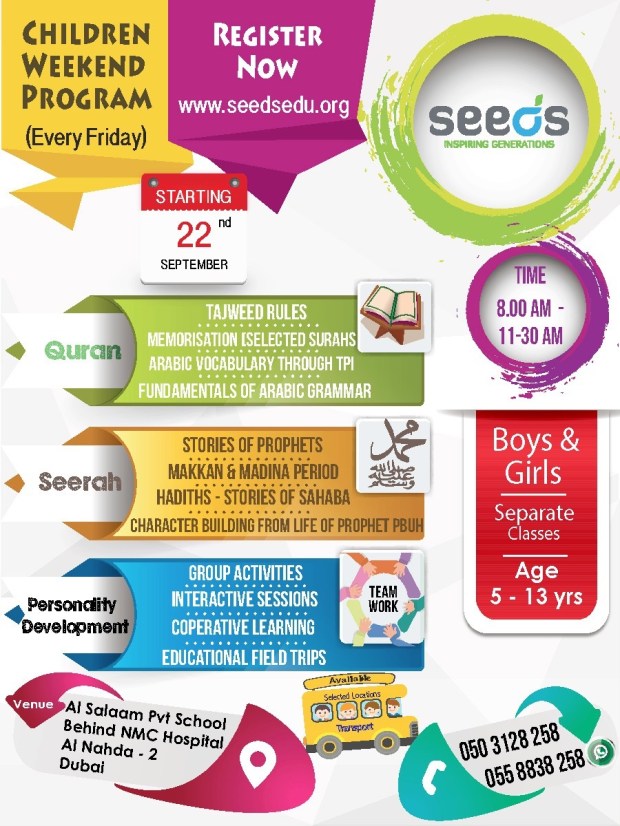
Find attached the syllabus for the Tiny Tots’ Class

Why should you attend this workshop?
The objective of the one-day intensive workshop with Shaikh Sajid Umar is to offer the delegates an opportunity to develop a practical understanding of Islamic finance and transactions applicable in the 21st century. One of the most difficult and confusing issues to Muslims today are the matters pertaining to the rulings of buying and selling as well as the knowledge of how to live in our modern capitalistic world whilst adhering to Islamic financial values and principles. This workshop answers all those questions and much more!!
Whom is this workshop Suitable For?
This workshop is designed with the following participants in mind:
* Businessmen
* Entrepreneurs
* Bankers & individuals from the finance background
* Academics and researchers interested in Islamic Finance
* Individuals who wish to improve their knowledge and skills about Islamic Finance
What are the desired outcomes?
Participants will understand:
* Ruling of transactions in Islam and its types
* The fundamentals of a transaction in fiqh
* The conditions for a successful transaction in fiqh & their consequences
* The difference in fiqh laws between a transaction agreement & acquisition of an actual product
* Nullification periods & conditions to nullify a transaction from a fiqh perspective
* Conditions between traders, it’s types & rulings in fiqh
* Nullified conditions between traders in fiqh
* Various types of Prohibited transactions
About The Trainer:
Shaikh Sajid Umar was born in Leicester, UK. Having memorised the Quran at the age of 18 and successfully opening an IT business, he turned his attention towards Islamic studies. He travelled to Riyadh where he enrolled at Imaam Muhammed Ibn Saud Islamic University completing a University Diploma in Arabic language and Islamic Sciences. He continued his studies at al-Imam University, graduating with a Bachelor’s degree in Sharīah, and a masters degree in Judiciary (Qadha) from the Higher Institute for Judiciary Studies (Ma’had al-‘āli li’l-Qaḍā) at al-Imam University.

He is an Imam and Khateeb of the largest Masjid in Zimbabwe. He is also a Lecturer at Knowledge International University and a member of their Academic Management Team. His hobbies include building computers to customer specs, book collecting and reading.He has a brown belt in karate, is a keen golfer, swimmer, footballer and cricketer, and has completed several articles and dissertations on the Islamic Sciences.


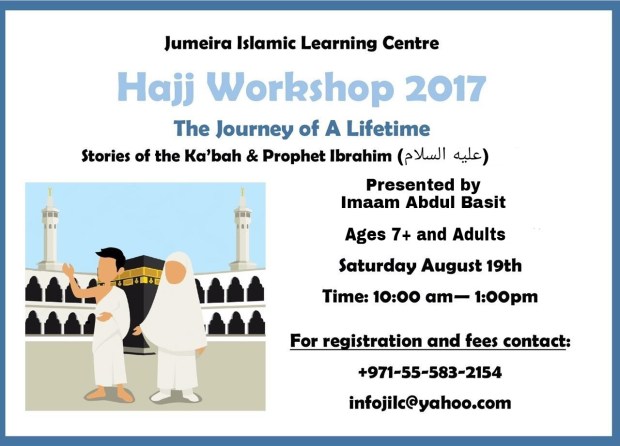
The month of Dhul- Hijjah is approaching us soon inshaAllah. In this month are the first ten days of Dhul Hijjah. Ibn ‘Abbaas (may Allaah be pleased with him and his father) reported that the Prophet (peace and blessings of Allaah be upon him) said:
“There are no days in which righteous deeds are more beloved to Allaah than these ten days.” The people asked, “Not even jihaad for the sake of Allaah?” He said, “Not even jihaad for the sake of Allaah, except in the case of a man who went out to fight giving himself and his wealth up for the cause, and came back with nothing.” (Reported by al-Bukhaari, 2/457).
The first ten days of Dhul Hijjah also include the Day of Arafat, on which Allaah perfected His Religion. Fasting on this day will expiate for the sins of 2 years.
The Prophet (peace and blessings of Allaah be upon him) used to fast on the first nine days of Dhu’l-Hijjah.
It is also Sunnah to say Takbeer (“Allaahu akbar”), Tahmeed (“Al-hamdu Lillaah”), Tahleel (“La ilaha ill-Allaah”) and Tasbeeh (“Subhaan Allaah”) during the first ten days of Dhu’l-Hijjah, and to say it loudly in the mosque, the home, the street and every place where it is permitted to remember Allaah and mention His name out loud, as an act of worship and as a proclamation of the greatness of Allaah, may He be exalted. Men should recite these phrases out loud, and women should recite them quietly.
It is important for us to use these ten days to come closer to Allah swt through our acts of worship and sincere repentance. We must use this time to correct our mistakes and improve ourselves as Muslims.
These special ten days will pass by us very quickly. It may be beneficial and more productive if we plan ahead. Download this printable “Dhul Hijjah Planner ” where you can write goals on how you would like to spend the first ten days of Dhul Hijjah.
May Allaah swt help and guide us all. May Allaah help us to benefit from these ten days.